

Closed Cell Spray Foam Insulation in Hawthorne, CA
Energy-Saving Closed Cell Spray Foam Insulation for Hawthorne, CA Homes — Licensed & Insured
Expert closed cell spray foam insulation in Hawthorne, CA. Armour Hawthorne Insulation serves the South Bay with coastal-ready solutions. Call (424) 487-4483.
Closed cell spray foam insulation is one of the highest-performing insulation materials available today, delivering superior air sealing, moisture resistance, and thermal efficiency in a single application. Unlike traditional fiberglass batts or loose-fill insulation, closed cell spray foam expands to fill every crack, gap, and cavity, creating a rigid, impermeable barrier that dramatically reduces energy loss and prevents moisture infiltration.
In Hawthorne, CA, where coastal marine air from the Pacific pushes inland year-round, salt-laden humidity, temperature fluctuations, and the unique building stock of South Bay neighborhoods create insulation demands that only a high-density product like closed cell spray foam can fully address. Homes and commercial buildings near the Los Angeles International Airport corridor and along Crenshaw Boulevard face specific structural and environmental pressures that require expert installation.
Read moreShow less
At Armour Hawthorne Insulation, we specialize in closed cell spray foam insulation solutions tailored to Hawthorne’s climate, construction styles, and energy code requirements. Call us today at (424) 487-4483 to schedule your assessment.
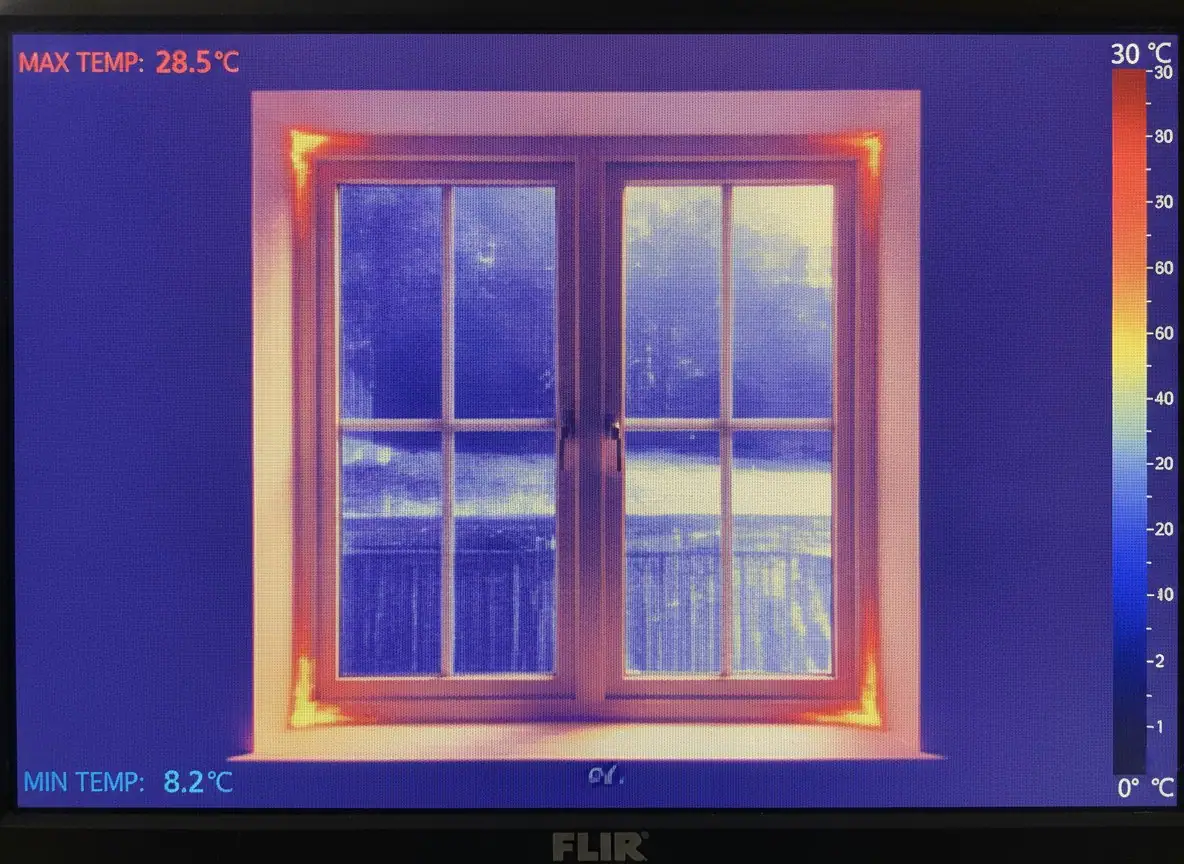
Understanding Closed Cell Spray Foam Insulation
Closed cell spray foam insulation (ccSPF) is a two-component polyurethane material that combines isocyanate and polyol resin at the spray tip, triggering a rapid chemical reaction that causes the mixture to expand, harden, and cure into a dense, rigid foam. The term “closed cell” refers to the microscopic cellular structure of the cured foam — each cell is fully enclosed, trapping a blowing agent inside that gives the material its exceptional insulating properties.
The result is an insulation product with an R-value of approximately R-6 to R-7 per inch, far outperforming open cell spray foam (R-3.5 per inch) and standard fiberglass batts (R-3.2 per inch). Beyond thermal performance, the closed cell structure creates a Class II vapor retarder, meaning moisture transmission through the foam is dramatically limited — a critical feature in coastal Southern California environments.
Read moreShow less
Historically, spray polyurethane foam technology was developed in the 1940s and gained widespread commercial application in the 1970s following the energy crisis. By the 1990s, improved formulations made residential installation practical and cost-effective. Today, modern closed cell formulas use low-global-warming-potential (low-GWP) blowing agents that comply with California’s strict environmental regulations under Title 24 and the California Building Energy Efficiency Standards.
In Hawthorne and the broader South Bay region, closed cell spray foam has become increasingly prevalent in several key building types. The area’s housing stock includes post-war tract homes built between 1945 and 1965, many with minimal original insulation; mid-century commercial buildings along Prairie Avenue and Imperial Highway; and modern mixed-use developments near the Hawthorne/Lennox Metro C Line station. Each of these building categories presents unique opportunities where closed cell spray foam delivers transformative results.
Closed cell foam is also widely used in crawl spaces, rim joists, flat roofs, garage ceilings, and between floors — all common architectural features in Hawthorne’s residential and light commercial building inventory. Its structural rigidity also adds shear strength to wall assemblies, a notable benefit in seismically active Southern California.
Why Closed Cell Spray Foam Insulation Is Needed in Hawthorne, CA
Marine Layer and Coastal Humidity
Hawthorne sits approximately 5 miles from the Pacific Ocean coastline at Hermosa Beach and Manhattan Beach. This proximity means the city experiences persistent marine layer intrusion, particularly between May and August — the period locals call “June Gloom,” which often extends well into July. During these months, relative humidity levels inside uninsulated or poorly insulated building cavities regularly exceed 70%, creating conditions favorable for mold growth, wood rot, and degraded insulation performance. Fiberglass and cellulose insulation absorb moisture and lose R-value when wet; closed cell spray foam does not. Its impermeable cell structure resists moisture absorption even in sustained high-humidity conditions typical of Hawthorne’s marine-influenced climate.
LAX Jet Wash and Structural Vibration
Hawthorne is located directly beneath the primary flight path for Los Angeles International Airport (LAX), one of the busiest airports in the world. Neighborhoods north of El Segundo Boulevard — including areas around Eucalyptus Avenue and Kornblum Avenue — experience sustained noise levels averaging 65 to 75 dB(A) during peak flight hours. Closed cell spray foam adds meaningful sound attenuation due to its mass and density, and its rigid adhesion to wall assemblies prevents the micro-vibrations that loosen traditional batt insulation over time, maintaining long-term performance integrity.
Seismic Activity and Structural Settling
The Inglewood Oil Field fault system and the Newport-Inglewood Fault Zone run within miles of Hawthorne. Seismic events — including the 1994 Northridge earthquake (6.7 magnitude) that caused significant structural damage throughout the South Bay — cause building envelopes to shift, crack, and develop new air gaps around windows, wall penetrations, and at floor-wall junctions. Once closed cell spray foam is applied, it adheres directly to the substrate and remains intact through typical seismic movement. It also adds structural rigidity that helps wall panels resist racking forces, a distinct advantage over loose or batt insulation materials.
Urban Heat Island Effect Along Prairie Avenue Corridor
Hawthorne’s commercial spine along Prairie Avenue and the dense residential neighborhoods surrounding it contribute to a measurable urban heat island effect, with summer temperatures in built-up areas running 4°F to 8°F higher than nearby coastal zones. This amplified heat load puts pressure on cooling systems. In uninsulated or under-insulated attics along streets like 120th Street and 135th Street, attic temperatures can reach 150°F to 160°F on peak summer days, driving radiant heat into living spaces and forcing air conditioners to work significantly harder. Closed cell spray foam applied to the underside of roof decking converts a vented attic into a conditioned attic, reducing peak attic temperatures to near ambient outdoor levels and cutting cooling loads by 20% to 40%.
Aging Building Stock
A significant portion of Hawthorne’s residential housing was constructed during the post-war suburban boom of the late 1940s through early 1960s. These homes were built with little or no wall insulation, single-pane windows, and unsealed wall cavities. Decades of settling, pest activity, and deferred maintenance have further compromised whatever insulation was originally present. Closed cell spray foam provides a comprehensive solution that addresses air sealing, thermal resistance, and moisture management simultaneously — restoring these aging homes to modern performance standards.
Free, no-obligation estimates
Talk to Armour Hawthorne Insulation
Tell us what you need and we’ll take it from there.
Signs You Need Closed Cell Spray Foam Insulation in Hawthorne
Energy Performance Indicators
- Monthly electricity bills exceeding $200 to $300 during summer months despite moderate thermostat settings
- Air conditioning running continuously without reaching the set temperature on warm Hawthorne afternoons
- Noticeable differences in room temperatures between the north- and south-facing sides of your home
- Drafts felt near wall outlets, light switches, or along baseboards — common in Hawthorne’s older tract homes
Moisture and Air Quality Indicators
- Condensation forming on interior walls or window frames during marine layer events in late spring and summer
- Musty odors in crawl spaces, attics, or interior rooms — a warning sign of mold in damp wall cavities
- Visible water staining on ceilings or upper walls following heavy rainfall events like those from atmospheric river storms that periodically impact the LA Basin
- Allergic symptoms worsening indoors, potentially indicating airborne mold spores from compromised insulation cavities
Structural and Acoustic Indicators
- Unusually loud aircraft noise penetrating interior spaces — a common complaint in north Hawthorne neighborhoods under LAX flight paths
- Visible gaps or cracks at wall-ceiling junctions, around pipe penetrations, or at rim joist areas in crawl spaces
- Pest activity in wall cavities or attic spaces, which open air gaps that compromise insulation performance
Our process
Our Closed Cell Spray Foam Insulation Process in Hawthorne
- 01
On-Site Assessment and Energy Audit (1–2 Hours)
Our process begins with a thorough on-site inspection of your Hawthorne property. We examine attic conditions, crawl space moisture levels, wall assembly types, existing insulation, and identify primary air leakage pathways. We use thermal imaging where approp
- 02
Preparation and Surface Protection (2–4 Hours)
Before any foam is applied, we protect all adjacent surfaces not receiving insulation. Electrical fixtures, HVAC equipment, windows, and finished surfaces are masked or covered. In Hawthorne homes with mature landscaping or limited lot setbacks, we take care t
- 03
Substrate Preparation (1–2 Hours)
All surfaces receiving closed cell spray foam must be clean, dry, and within the manufacturer’s specified temperature range — typically between 60°F and 100°F substrate temperature. In Hawthorne’s marine-influenced climate, morning moisture on surfaces may req
- 04
Spray Foam Application (4–8 Hours Depending on Scope)
Our certified installers apply closed cell spray foam in lifts of 1 to 2 inches per pass, allowing each lift to fully react and cure before subsequent lifts are applied. This ensures proper cell structure and maximum R-value performance. For standard Hawthorne
- 05
Curing and Off-Gassing Period (24 Hours)
After application, the foam requires a minimum 24-hour cure period before occupied spaces are re-entered. Ventilation is maintained throughout this period to clear any residual isocyanate vapors. We communicate clearly with homeowners about re-entry timing, pa
- 06
Trim and Inspection (1–2 Hours)
Any foam that has expanded beyond target thickness is trimmed flush to provide a clean substrate for subsequent finishes. We conduct a final inspection verifying uniform coverage, proper adhesion, and absence of voids or missed areas. Thermal imaging may be us
- 07
Final Walkthrough and Documentation
We walk through all completed work with the property owner, explain the maintenance expectations, and provide documentation of installed R-values for California Title 24 compliance records and potential utility rebate applications through Southern California E
Closed Cell Spray Foam Methods and Approaches
Unvented Attic (Hot Roof) Application
This approach involves applying closed cell spray foam directly to the underside of the roof deck, converting the attic from a vented unconditioned space to an unvented conditioned space. This is particularly effective in Hawthorne’s older ranch-style and hip-roof homes where the attic houses HVAC equipment and ductwork. By bringing the attic into the conditioned envelope, duct losses that typically account for 20% to 30% of cooling energy are dramatically reduced. Minimum installed thickness is 3.5 inches (approximately R-21) per California Title 24 requirements for Climate Zone 8.
Crawl Space Encapsulation with Closed Cell Foam
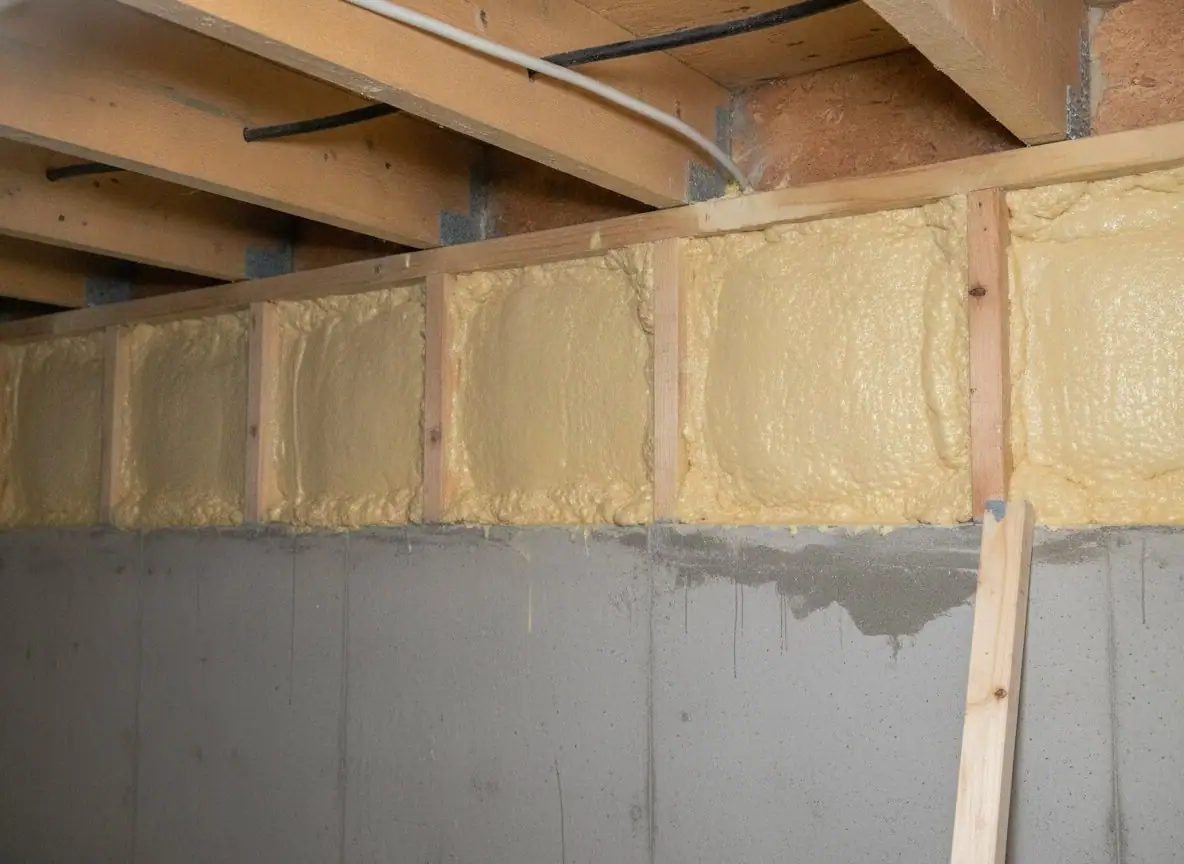
Many Hawthorne homes built before 1970 have vented crawl spaces with bare soil floors. Applying closed cell spray foam to the interior of crawl space walls and the underside of the floor system — combined with a ground vapor barrier — creates a fully encapsulated crawl space that eliminates moisture infiltration from the ground and marine-layer-driven humidity. Learn more about our crawl space encapsulation services
Learn moreRim Joist and Band Joist Sealing
The rim joist — the framing member at the perimeter of each floor level — is one of the most significant air leakage sites in Hawthorne’s older multi-story homes. A 2-inch application of closed cell foam at rim joists provides both air sealing and thermal resistance in a single step, addressing a location that is difficult to insulate effectively with any other material.
Wall Cavity Retrofit Applications
For Hawthorne homes with hollow wall cavities, closed cell foam can be injected through small-diameter holes drilled from the exterior or interior, filling the cavity completely. This retrofit approach is ideal for preserving the exterior appearance of Hawthorne’s mid-century stucco homes while substantially upgrading thermal performance.
Closed Cell Spray Foam Insulation Cost in Hawthorne, CA
Understanding the investment required for closed cell spray foam insulation helps Hawthorne homeowners and property managers budget accurately and evaluate the return on investment. Pricing in the South Bay market reflects both material costs and the expertise required for proper installation.
Typical Price Ranges
- Attic application (unvented hot roof): $3.00 to $5.00 per board foot installed, with most Hawthorne single-family homes ranging from $4,500 to $10,000 depending on attic square footage and access conditions
- Crawl space walls and rim joists: $2,500 to $6,000 for typical Hawthorne crawl space dimensions of 800 to 1,500 square feet
- Wall cavity injection: $1.50 to $3.00 per board foot, with whole-house wall projects typically ranging from $5,000 to $15,000
- Rim joist sealing only: $800 to $2,000 for most Hawthorne single-story and two-story homes
Read moreShow less
Factors Affecting Cost in Hawthorne
- Existing insulation removal requirements — older Hawthorne homes with deteriorated fiberglass or asbestos-containing materials incur additional removal costs of $1,000 to $3,500
- Attic access limitations common in low-slope roofs prevalent in the neighborhood
- Substrate moisture conditions requiring pre-treatment in coastal-adjacent properties
- Los Angeles County permit requirements for certain scope thresholds
Rebates and Incentives
Southern California Edison’s residential energy efficiency programs and the state’s TECH Clean California initiative may offer rebates of $200 to $1,500 for qualifying insulation upgrades. Our team can help identify applicable programs during your assessment. View detailed insulation cost information
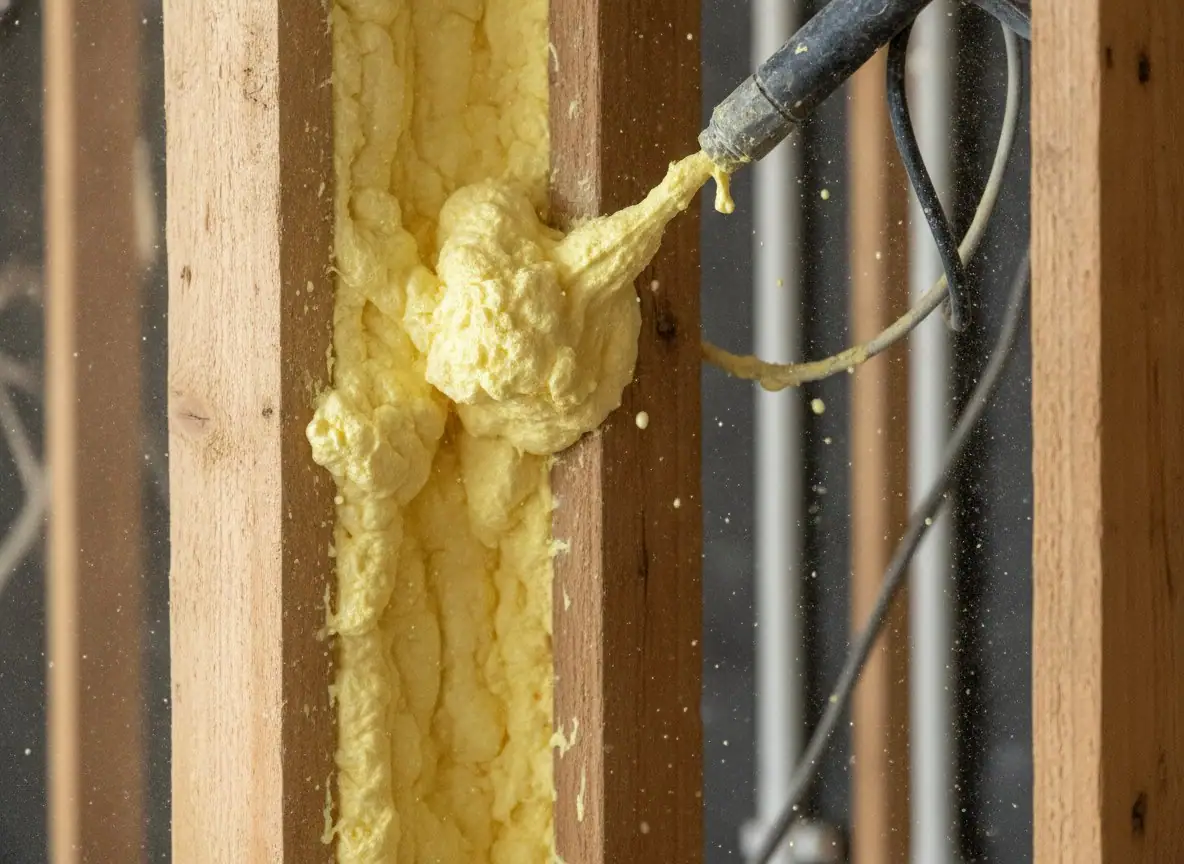
Neighborhoods We Serve in and Around Hawthorne, CA
North Hawthorne (Near LAX Flight Path)
Residential streets north of El Segundo Boulevard — including Eucalyptus Avenue, Kornblum Avenue, and Doty Avenue — sit directly beneath active LAX approach and departure corridors. Homes in this area are predominantly post-war single-story structures built between 1948 and 1962 with minimal original wall insulation. Closed cell spray foam in these homes delivers the dual benefit of thermal improvement and meaningful sound attenuation. View our full Hawthorne service area
Inglewood Adjacent Neighborhoods
Streets bordering Inglewood along the eastern edge of Hawthorne include mid-century duplexes and small apartment buildings with shared wall cavities and aging mechanical systems. These multi-family properties benefit significantly from closed cell spray foam’s ability to seal between units and reduce both energy transfer and sound transmission. Insulation services in Inglewood
Lawndale Border Area (Southwest Hawthorne)
The southwestern quadrant of Hawthorne bordering Lawndale includes streets such as 147th Street and 156th Street with 1960s and 1970s construction featuring low-pitch roofs and minimal attic clearance. Crawl space moisture issues are common here due to lower elevation relative to the coastal plain. Our crawl space encapsulation and closed cell foam solutions are frequently deployed in this sub-area. Insulation services in Lawndale
El Camino Village and Del Aire
These unincorporated LA County communities adjacent to Hawthorne feature mid-century single-family homes with original vermiculite or early fiberglass insulation that has significantly degraded. Insulation removal and closed cell replacement is a common project profile in these neighborhoods. Learn about our insulation removal services
Maintaining Your Closed Cell Spray Foam Insulation in Hawthorne
Closed cell spray foam is a low-maintenance insulation solution, but a few location-specific practices will ensure it performs optimally for decades in Hawthorne’s coastal Southern California environment.
- Annual visual inspection: Check exposed foam surfaces in attics and crawl spaces annually for any UV degradation (yellowing or chalking) that indicates foam has been exposed to sunlight without a protective coating
- Monitor crawl space humidity: Even with encapsulated crawl spaces, install a humidity monitor and aim to maintain levels below 60% relative humidity year-round in Hawthorne’s marine-influenced climate
- Inspect after seismic events: Following any earthquake of 4.0 magnitude or greater, visually inspect foam-to-substrate adhesion at rim joists and wall bases for separation
- Protect from mechanical damage: Avoid storing sharp tools or equipment directly against foam surfaces in garages or crawl spaces, as physical damage creates air pathways
- Maintain gutters and drainage: Proper roof drainage prevents water intrusion at eave areas that could saturate the substrate beneath spray foam applications
- Check HVAC condensate lines: In conditioned attic installations, ensure air handler condensate drain lines are clear and not leaking onto foam surfaces
- Reapply thermal protective coatings: In applications where foam is permanently exposed, reapply intumescent or reflective coatings per manufacturer recommendations, typically every 10 to 15 years
Why Choose Armour Hawthorne Insulation for Closed Cell Spray Foam in Hawthorne
Armour Hawthorne Insulation brings focused local expertise to every closed cell spray foam project in the South Bay region. We understand Hawthorne’s unique combination of coastal humidity, seismic exposure, LAX noise impact, and aging building stock — and we tailor every installation to address these specific challenges rather than applying a one-size-fits-all approach.
Our team is trained in the specific application requirements of California Climate Zone 8, ensuring every project meets or exceeds Title 24 energy code standards. We work with Hawthorne’s diverse housing types — from post-war ranch homes to mid-century commercial buildings to modern mixed-use developments — adapting our methods to each structure’s unique needs.
Read moreShow less
We serve the entire South Bay area including Hawthorne, Inglewood, Lawndale, Gardena, Torrance, Manhattan Beach, Redondo Beach, Hermosa Beach, El Segundo, Carson, Compton, Culver City, Westchester, Del Aire, El Camino Village, Lennox, West Athens, West Carson, Westmont, and Willowbrook.
Contact us at (424) 487-4483 to discuss your closed cell spray foam project with a knowledgeable local specialist. Schedule your free insulation assessment
FAQ
Frequently Asked Questions About Closed Cell Spray Foam Insulation in Hawthorne, CA
How much does closed cell spray foam insulation cost in Hawthorne, CA?
In the Hawthorne market, closed cell spray foam typically costs between $3.00 and $5.00 per board foot installed. A full attic conversion for a 1,200-square-foot Hawthorne home generally ranges from $5,500 to $9,500. Crawl space applications run $2,500 to $6,000 depending on dimensions and moisture conditions. These figures reflect South Bay regional labor rates and California-compliant material formulations.
How long does a closed cell spray foam installation take in a typical Hawthorne home?
Most residential attic or crawl space projects in Hawthorne are completed in one to two days, including preparation, application, and final inspection. Whole-house wall cavity injections may require two to three days. You will need to vacate the property for at least 24 hours after spray foam is applied to allow for curing and off-gassing ventilation.
Does closed cell spray foam help with the aircraft noise from LAX in north Hawthorne?
Yes. Closed cell spray foam’s high density — approximately 2 pounds per cubic foot — provides meaningful sound transmission reduction compared to open cell or fiberglass insulation. While it will not eliminate all LAX flight noise, homeowners in north Hawthorne neighborhoods typically report noticeable reduction in interior aircraft sound levels following attic and wall applications, with STC (Sound Transmission Class) improvements of 3 to 8 points depending on overall wall assembly.
Is closed cell spray foam required to meet California’s Title 24 building code in Hawthorne?
Closed cell spray foam is not the only material that meets Title 24 requirements, but it is one of the most efficient ways to achieve compliance in retrofit situations where cavity depth is limited. Hawthorne falls within California Climate Zone 8, which requires minimum R-19 ceiling insulation and R-13 wall insulation for most residential applications. Closed cell foam achieves these values at lower thicknesses than alternative materials, making it ideal for tight spaces.
Can closed cell spray foam be applied in my Hawthorne crawl space?
Absolutely. Crawl space applications are among the most impactful uses of closed cell spray foam in Hawthorne, particularly for homes built before 1970 with vented crawl spaces. Applied to interior crawl space walls and rim joists, combined with a ground vapor barrier, closed cell foam creates a fully encapsulated crawl space that eliminates moisture intrusion from the soil and marine-influenced ambient air. Learn more about crawl space insulation options
How does Hawthorne’s coastal humidity affect closed cell spray foam performance?
Closed cell spray foam is actually ideally suited to Hawthorne’s coastal environment. Its closed-cell structure creates a Class II vapor retarder with a permeance of less than 1 perm, meaning it resists moisture vapor transmission even during prolonged high-humidity marine layer events. Unlike fiberglass or cellulose, closed cell foam does not absorb water and will not lose R-value or harbor mold growth when exposed to elevated humidity levels.
Do I need to remove old insulation before installing closed cell spray foam?
In many cases, existing degraded insulation must be removed before closed cell spray foam is applied, particularly when moisture damage, mold, pest contamination, or asbestos-containing materials are present. Our team conducts a thorough assessment during the initial site visit to determine whether removal is necessary. Learn about our insulation removal services
Are there any rebates available for closed cell spray foam insulation in Hawthorne?
Hawthorne residents served by Southern California Edison may qualify for rebates through SCE’s residential energy efficiency programs. Additionally, California’s TECH Clean California statewide initiative offers incentives for qualifying insulation upgrades. Federal tax credits under the Inflation Reduction Act’s 25C provision may also apply, providing a credit of up to 30% of project costs (capped at $1,200 per year) for insulation improvements meeting efficiency criteria. We can help you identify applicable rebates during your project assessment.
Get Your Closed Cell Spray Foam Insulation Quote in Hawthorne Today
If you’re ready to address high energy bills, moisture problems, excessive aircraft noise, or simply want to bring your Hawthorne home up to modern performance standards, Armour Hawthorne Insulation is ready to help. Our team understands the specific demands of the South Bay environment and will design a closed cell spray foam solution built around your property’s unique needs.
We serve Hawthorne and surrounding communities including Inglewood, Lawndale, Gardena, Torrance, El Segundo, Manhattan Beach, Redondo Beach, Hermosa Beach, Carson, Compton, Culver City, and more.
Call us now at (424) 487-4483 to schedule your on-site assessment. You can also submit a contact form online and a member of our team will respond promptly. Don’t let another California summer pass with inadequate insulation — contact Armour Hawthorne Insulation today.
Get in touch
Find insulation help near you
Request a free estimate online or give us a call — our team will follow up quickly.
- Call us(424) 487-4483
- Visit3355 W El Segundo Blvd, Hawthorne, CA 90250
- HoursMo-Su 07:00-19:00